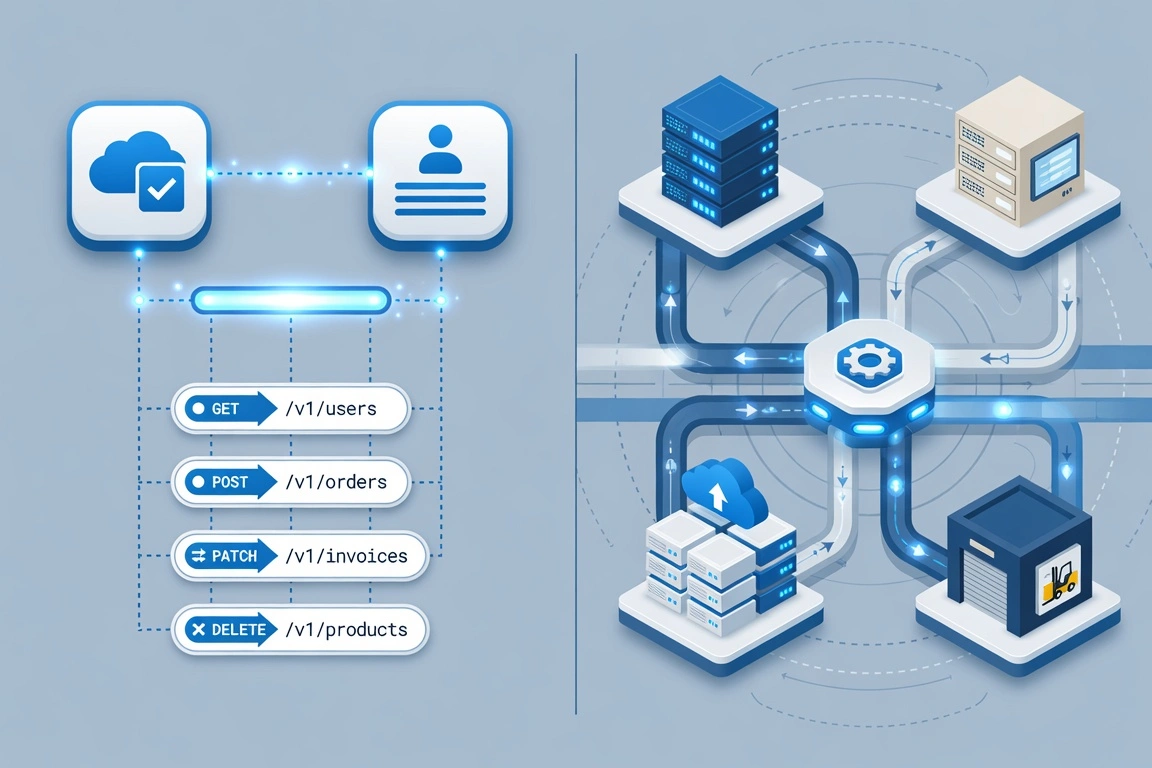
Key Takeaway: Raleigh's Research Triangle is home to dozens of software development firms, but choosing the right one requires evaluating experience depth, industry expertise, team structure, and communication transparency. The best Raleigh software partners combine local accountability with scalable development capacity and a proven track record across 100+ projects.
Author: Tizbi Editorial Team | Tizbi, Inc. — Custom Software Development & AI Solutions, Raleigh, NC (Est. 1998)
The Research Triangle has earned its reputation as one of America's fastest-growing tech corridors. Raleigh alone saw 28.6% tech job growth since 2020, ranking second nationally for technology employment expansion. With over 1,000 tech companies operating between Raleigh, Durham, and Chapel Hill, the Triangle generates more software demand than most metros twice its size.
That demand creates a problem. When you search for a custom software development in Raleigh, NC, you'll find pages of options on Clutch, DesignRush, Expertise, and Google Maps. Forty-seven firms are listed on Clutch alone for the Raleigh market. How do you separate the companies that will deliver from the ones that will drain your budget and miss your deadline?
After 28 years of building custom software in Raleigh, we've watched firms come and go. We've also rescued projects abandoned by some of them. This guide breaks down exactly what to evaluate, what questions to ask, and what red flags to watch for when choosing a software development partner in the Triangle.
Table of Contents
- Why Do Raleigh Businesses Need a Local Software Development Partner?
- What Should You Look for in a Raleigh Software Development Company?
- What Are the Most Common Mistakes When Hiring a Software Development Firm?
- What Industries Do Raleigh Software Development Companies Serve?
- Should You Choose a Local Raleigh Company or an Offshore Team?
- How Do You Evaluate a Software Development Partner Before Signing?
- Frequently Asked Questions
- Next Steps: Finding Your Raleigh Software Development Partner
Why Do Raleigh Businesses Need a Local Software Development Partner?
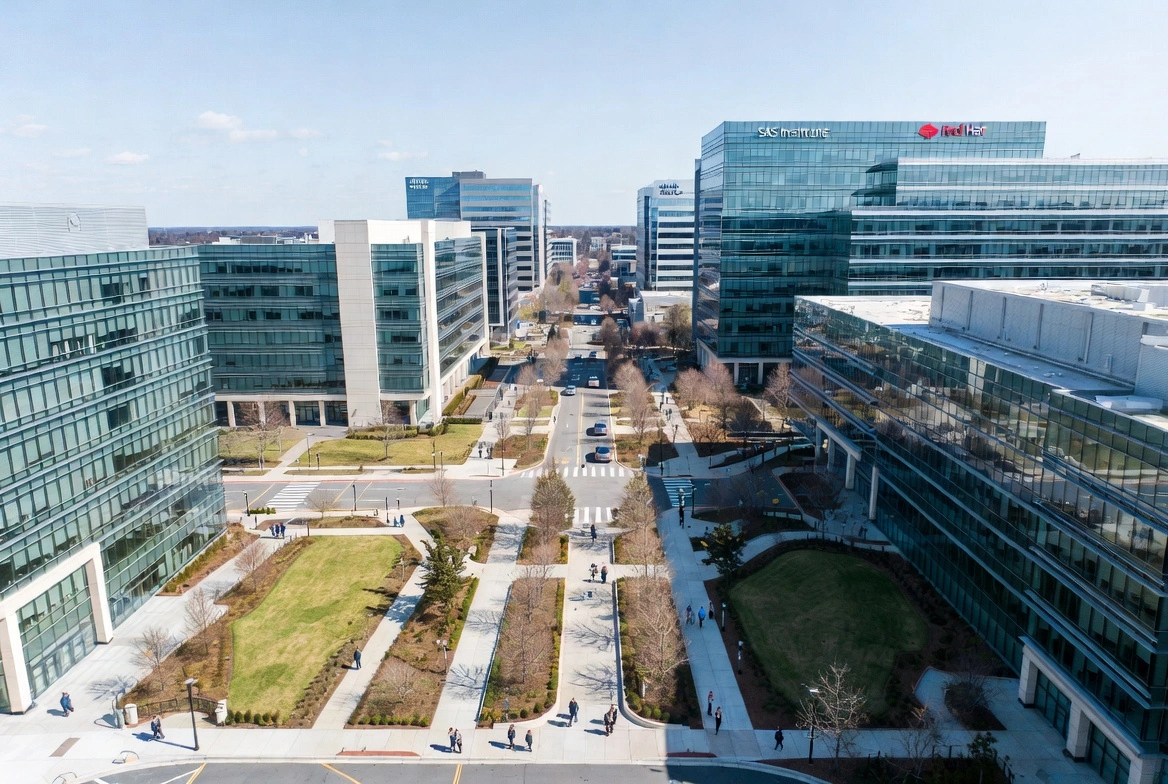
Raleigh isn't just another tech city. The Research Triangle Park (RTP) corridor hosts anchor employers like Red Hat (IBM), SAS Institute, Cisco, Epic Games, and Lenovo. Pharma and biotech companies line the RTP corridor from Durham to Morrisville. Duke Health, WakeMed, and UNC Health drive healthcare technology demand. State government agencies in downtown Raleigh need custom systems for everything from licensing to citizen services.
This industry mix creates specific software requirements that a generic offshore team won't understand on day one. A local Raleigh partner brings three tangible advantages:
Same-timezone collaboration. When your development team operates in Eastern Time, you get real-time communication during business hours. No waiting until the next morning for answers to blocking questions. According to the Standish Group's CHAOS Report, communication failure is the leading cause of software project failure, contributing to 57% of failed initiatives.
Face-to-face discovery workshops. Complex software projects benefit from whiteboard sessions, stakeholder interviews, and on-site observation. A Raleigh-based partner can sit in your conference room, walk your warehouse floor, or shadow your customer service team. Remote teams can't replicate this.
Understanding of Triangle industries. A firm that has built HIPAA-compliant systems for RTP pharma companies, processed data for NC state agencies, or integrated with Duke Health's infrastructure brings domain knowledge that accelerates your project. They've already solved the compliance, security, and integration problems your industry demands.
What Should You Look for in a Raleigh Software Development Company?

Not every firm listed on Clutch or Google Maps delivers the same quality. Here are seven evaluation criteria that separate strong partners from risky bets.
1. Verified Project History (Not Just a Portfolio Page)
Look for firms with 100+ completed projects across multiple industries. A portfolio page with five case studies and no client names is a warning sign. Strong firms will share client references, named case studies with measurable outcomes, and third-party reviews on platforms like Clutch, GoodFirms, and Google Business Profile.
Tizbi, for example, has completed 400+ projects across healthcare, education, fitness, real estate, construction, and financial services since 1998. Clients like TrialCard, Final Surge, and The MailBox have published testimonials with specific results.
2. Technical Breadth Across Modern Stacks
Your project might require React on the frontend, .NET on the backend, AWS for cloud hosting, and a mobile app in Flutter. A firm locked into a single stack will try to force your project into their comfort zone.
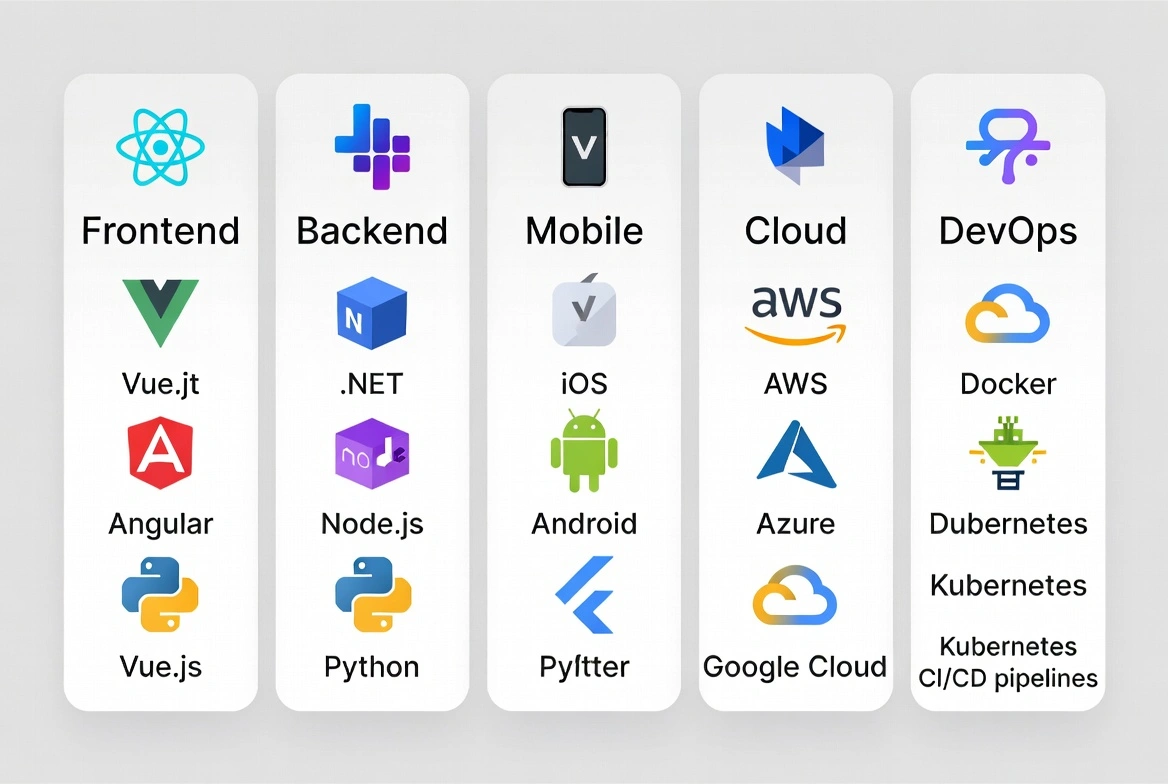
Evaluate whether the company works across:
- Frontend: React, Angular, Vue.js, TypeScript
- Backend: .NET/ASP.NET Core, Node.js, Python/Django, PHP/Laravel
- Mobile: iOS (Swift), Android (Kotlin), Flutter, React Native
- Cloud: AWS, Azure, Google Cloud
- DevOps: Docker, Kubernetes, CI/CD pipelines
3. Transparent Team Structure
Ask who will actually work on your project. Some firms pitch with senior architects but staff projects with junior developers in different countries. You should know:
- Where are the developers located?
- What is the ratio of senior to junior engineers?
- Who is the project manager, and are they US-based?
- Will you have direct access to the development team?
A hybrid model — US-based project management and architecture with global development centers — often delivers the best balance of quality, communication, and cost efficiency.
4. Defined Development Process
Mature firms don't wing it. They follow a documented process covering discovery, design, development, QA, deployment, and post-launch support. Ask to see their methodology. Look for:
- Agile sprint structure with regular demos
- Code review practices
- Automated testing and CI/CD
- Change management process for scope adjustments
- Documentation standards
5. Industry-Specific Experience
If you're in healthcare, your partner needs HIPAA compliance experience. If you're in fintech, they need to understand PCI DSS and SOC 2. If you're building for government, they need experience with FedRAMP or StateRAMP requirements.
Triangle-area industries that demand specialized knowledge include:
- Pharma/biotech (RTP corridor) — clinical trial management, FDA compliance, lab information systems
- Healthcare (Duke Health, WakeMed, UNC Health) — HIPAA, EHR integration, patient engagement
- Financial services (downtown Raleigh, First Citizens) — PCI DSS, fraud detection, regulatory reporting
- Government (NC state agencies) — accessibility (Section 508), security clearances, legacy system integration
- Education (NC State, UNC, Duke) — LMS platforms, student data privacy (FERPA)
6. Client Retention and Long-Term Relationships
One-and-done project shops exist to bill hours and move on. True partners maintain relationships for years. Ask potential firms:
- What is your average client relationship length?
- What percentage of revenue comes from repeat clients?
- Can you provide references from clients you've worked with for 3+ years?
A 99% client satisfaction rate built over decades indicates a company that prioritizes long-term partnerships over short-term revenue.
7. Post-Launch Support and Ownership
Before signing any agreement, clarify:
- Who owns the source code? You should. Always.
- What happens after launch? Is there a warranty period? Ongoing support options?
- Can you take the code elsewhere? If the answer is no, walk away. This is how companies end up in software hostage situations.
What Are the Most Common Mistakes When Hiring a Software Development Firm?

Five mistakes account for the majority of failed software partnerships. Avoiding them saves Triangle businesses hundreds of thousands of dollars.
Choosing purely on price. The cheapest bid is almost never the best value. According to the Project Management Institute, the average failed software project wastes $260,000. A firm charging $50/hour that misses deadlines and delivers buggy code costs more than a firm charging $100/hour that delivers on time.
Ignoring cultural and communication fit. Your development partner will attend your standups, communicate with your stakeholders, and represent your technical standards. If the initial sales process feels disorganized, expect the project to be worse.
Not checking references beyond the pitch deck. Ask for references from projects similar to yours in scope, industry, and technology. Call them. Ask what went wrong, not just what went right. Every project has friction; the question is how the firm handled it.
Skipping the IP ownership conversation. North Carolina law does not automatically assign IP rights to the client in a work-for-hire arrangement unless the contract explicitly states it. Get this in writing before a single line of code is written.
Treating the engagement as a vendor transaction, not a partnership. The best outcomes come from firms that challenge your assumptions, push back on bad requirements, and tell you what you need to hear rather than what you want to hear. If a firm agrees to everything in the sales meeting, they'll agree to everything during the project too, including scope changes that will blow your budget.
What Industries Do Raleigh Software Development Companies Serve?
The Triangle's economic diversity drives software demand across sectors that many other metro areas don't have. Here's where Raleigh development firms find their strongest fit.

Pharma and Biotech (RTP Corridor)
Research Triangle Park is the largest research park in the United States, spanning 7,000 acres and hosting over 300 companies. Pharma and biotech companies here need clinical trial management systems, laboratory information management systems (LIMS), regulatory submission platforms, and data analytics tools.
Tizbi's work with TrialCard — a pharmaceutical services company that grew to a $30 million business during our partnership — demonstrates the depth of domain expertise required for this industry.
Healthcare
Duke Health, WakeMed Health & Hospitals, and UNC Health collectively represent one of the largest healthcare ecosystems in the Southeast. These organizations and their vendors need HIPAA-compliant patient engagement platforms, EHR integrations, telehealth systems, and clinical decision support tools.
Education and EdTech
NC State University, UNC-Chapel Hill, and Duke University create a concentrated education market. Learning management systems, student analytics platforms, and administrative automation tools serve both higher education and K-12 school systems across the state.
Tizbi's 5+ year partnership with The MailBox — a learning platform hosting 50,000+ learning objects — illustrates the sustained development support educational platforms require.
Financial Services and Fintech
Downtown Raleigh's financial district, anchored by First Citizens BancShares and numerous fintech startups, demands secure transaction processing, compliance automation, fraud detection systems, and customer-facing financial tools.
State and Local Government
North Carolina's state government agencies in Raleigh need custom systems for licensing, permitting, citizen services, and inter-agency data sharing. Government contracts require specific security standards, accessibility compliance (Section 508), and often integration with legacy mainframe systems.
Should You Choose a Local Raleigh Company or an Offshore Team?
This question comes up in every enterprise software procurement discussion. The honest answer: it depends on what you're building.
When Local Makes Sense
- Complex discovery requirements — Projects needing stakeholder workshops, user research, and on-site observation
- Regulated industries — Healthcare, finance, and government projects with compliance requirements
- Long-term partnerships — When you need an ongoing development partner, not a one-time project shop
- Project rescue — When a previous engagement has failed and you need face-to-face assessment and trust rebuilding
When Offshore Can Work
- Well-defined, isolated features — Clear specifications, limited scope, minimal stakeholder interaction
- Staff augmentation — Adding specific skill sets to an existing, well-managed internal team
- Cost-sensitive MVPs — When budget constraints outweigh communication overhead concerns
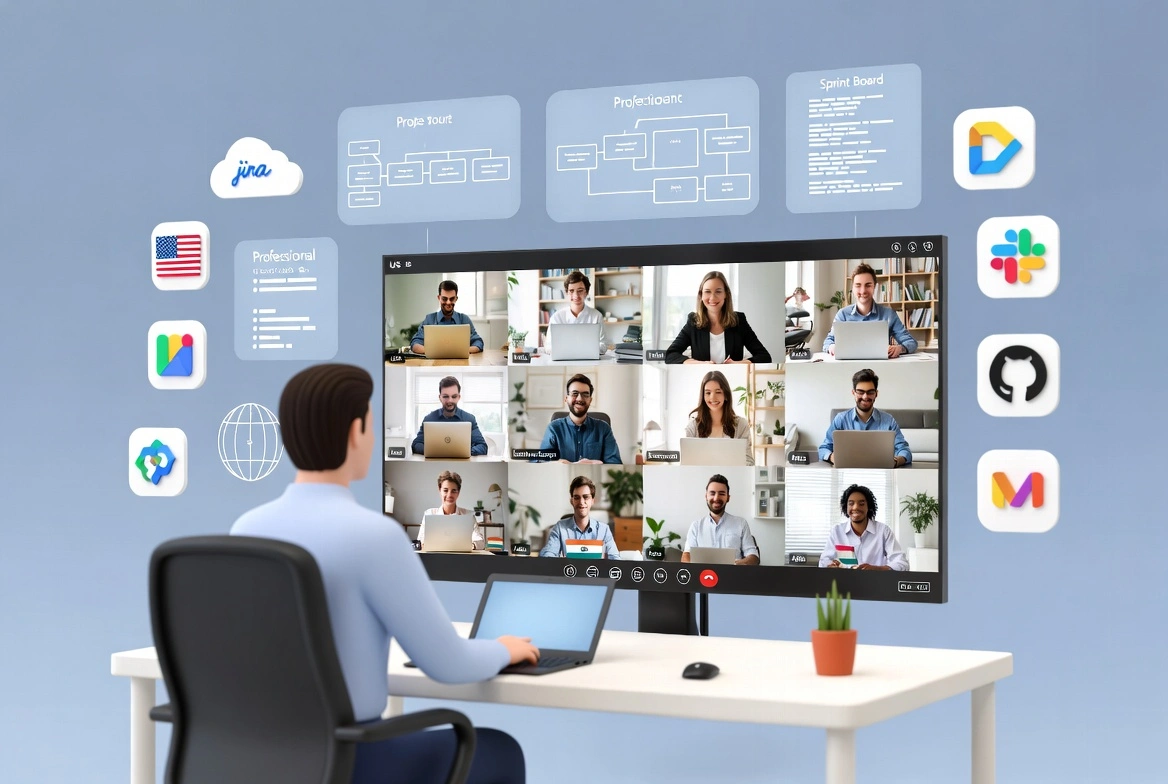
The Hybrid Approach
The strongest model for most Triangle businesses combines local leadership with global execution. A US-based project manager and solutions architect handle client communication, requirements, and architecture decisions. Distributed development teams — vetted, trained, and managed by the same firm — handle implementation.
This model works because it addresses the two biggest offshore risks (communication gaps and accountability gaps) while preserving the cost advantages. Tizbi operates with this exact model: Raleigh headquarters at 3915 Beryl Road with dedicated development teams spanning seven countries.
How Do You Evaluate a Software Development Partner Before Signing?
Use this 10-point checklist during your evaluation process.
- Request a paid discovery phase. Any firm willing to scope a complex project in a free 30-minute call is guessing. Pay for a proper assessment.
- Ask for team bios. You should know who will work on your project before you commit.
- Check Clutch reviews. Look for reviews from companies in your industry and size range.
- Request a technical architecture proposal. Even a preliminary one reveals how deeply they understand your problem.
- Verify code ownership terms. Get it in the contract: you own everything they build.
- Ask about their QA process. Manual testing alone is insufficient for any non-trivial project.
- Meet the project manager. This person will be your primary contact for months. Make sure the communication fit works.
- Request a timeline with milestones. Vague "we'll be done in 6 months" answers indicate weak project management.
- Ask about their escalation process. What happens when something goes wrong? Every project hits a rough patch.
- Talk to a recent reference. Not a reference they cherry-picked — ask for the most recent completed project.
Frequently Asked Questions
How many software development companies are in Raleigh, NC?
Clutch lists 47+ software development companies in the Raleigh area. Expertise.com identifies 17 top-rated firms. The actual number including small agencies and freelance shops is likely 100+. Focus on firms with 10+ years of history and 50+ completed projects to narrow the field.
What is the average hourly rate for software developers in Raleigh?
Senior developers in the Raleigh-Durham market charge $100–$175/hour for US-based work. Hybrid firms with global development centers offer rates of $50–$125/hour depending on seniority and technology stack. These rates are 30–40% below comparable San Francisco rates.
How long does a custom software project take in Raleigh?
Timelines depend on complexity. An MVP typically takes 2–4 months. Mid-complexity applications run 4–8 months. Enterprise platforms can take 6–18 months. The most accurate timeline comes from a paid discovery phase where the firm analyzes your actual requirements.
What should I include in an RFP for a Raleigh software development company?
Include project objectives, target users, key features, integration requirements, compliance needs, budget range, timeline expectations, and evaluation criteria. A strong RFP also specifies your preferred engagement model (project-based, dedicated team, or staff augmentation) and IP ownership requirements.
Can a Raleigh software company help rescue a failed project from another vendor?
Yes. Firms with dedicated project rescue teams specialize in assessing, stabilizing, and completing failed projects. The rescue process typically involves a code audit, architecture assessment, and recovery plan before any new development begins.
Is it better to hire in-house developers or use a Raleigh software development firm?
It depends on your long-term needs. Hiring in-house takes 45–60+ days per developer and costs $100,000–$180,000+ annually per engineer (including benefits). A development firm provides immediate capacity, broader skill sets, and flexibility to scale. Most Triangle companies use a mix of both.
Next Steps: Finding Your Raleigh Software Development Partner
Choosing a custom software development in Raleigh, NC is a decision that will affect your business for years. The Triangle offers exceptional options — but only if you evaluate them with the rigor this decision deserves.
Start with three to five firms that meet the criteria above. Request paid discovery phases from your top two. Compare not just their proposals, but how they communicate, how they push back on your assumptions, and whether they feel like partners or vendors.
Tizbi has been building custom software in Raleigh since 1998 — 28 years, 400+ projects, and a 99% client satisfaction rate. If you're evaluating development partners for a new project, a legacy system modernization, or a project rescue, we'd welcome the conversation.
Schedule a free consultation to discuss your project with our Raleigh team.