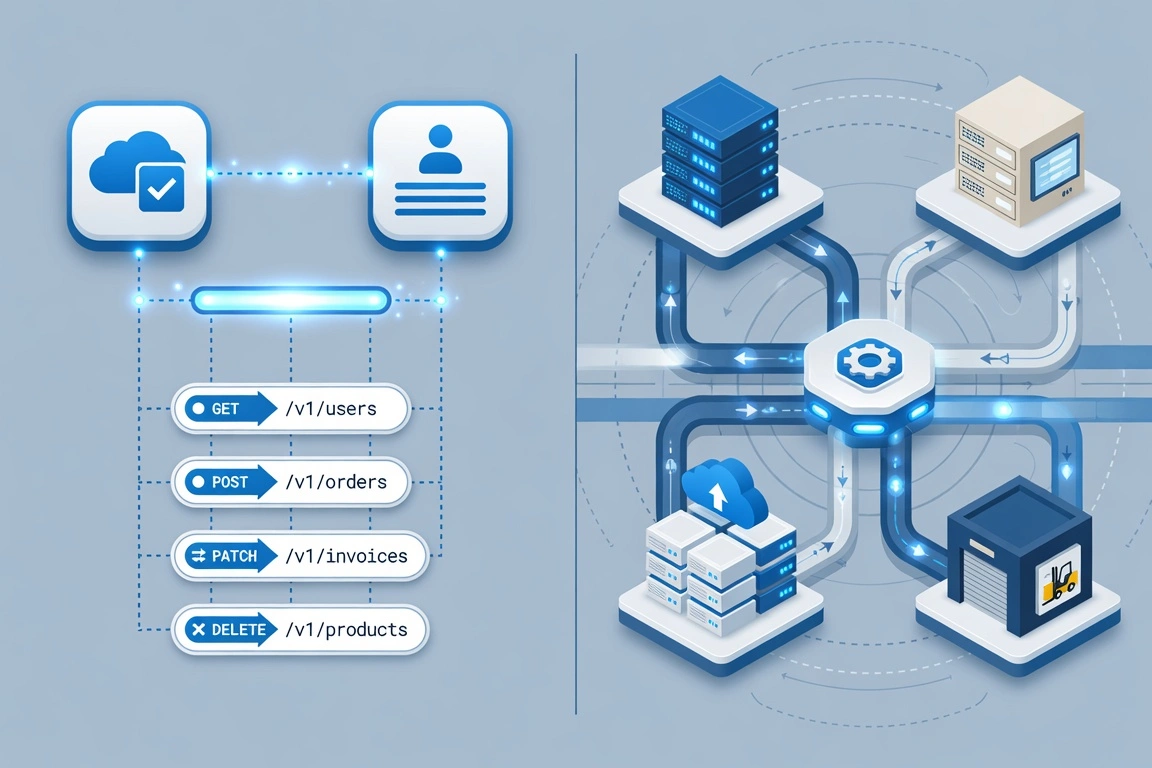
You have probably hit the wall with your software at least once.
Maybe it is the spreadsheet that has grown so large it crashes on Tuesday mornings. Maybe it is the three separate SaaS subscriptions your team stitches together with copy-paste and prayer. Maybe it is the off-the-shelf platform that handles 80% of what you need - and that last 20% costs your people two hours every single day.
At some point, someone in your organization says the words: "We should just build our own."
And then the room goes quiet, because nobody really knows what that means, what it costs, or whether it is a smart move or an expensive mistake.
This guide is written for that moment. No jargon. No vendor enthusiasm. Just a straight-talking walk through what custom software development actually is, when it genuinely makes sense for a small or mid-sized business, what the process looks like when done right, and what to watch out for.
Table of Contents
- What Custom Software Development Actually Means
- The Problem With Off-the-Shelf (And Why It Is Not Always the Problem)
- When the Answer Is "Not Yet"
- What the Process Actually Looks Like
- What Does Custom Software Actually Cost?
- What to Watch Out For
- What Industries Use Custom Software?
- Not Sure If You Need a Custom Build or Just Better Systems?
- The Question Underneath the Question
- Ready to Think It Through?
- Custom Software Development: SMB Owner FAQs
What Custom Software Development Actually Means
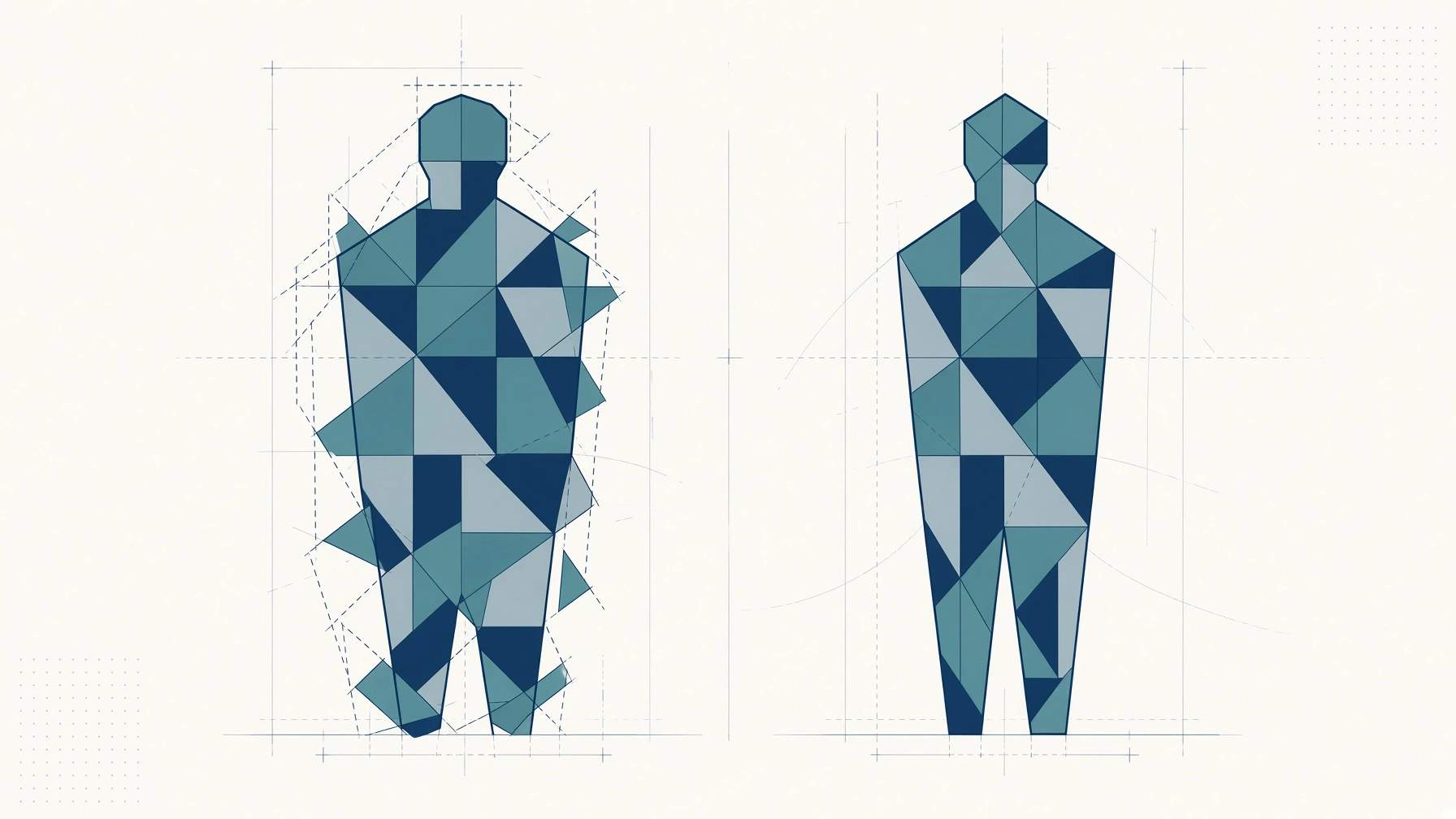
Custom software development is the process of building a software application specifically for your business - your workflows, your team, your customers, your rules.
That is the whole definition. Everything else is detail.
Off-the-shelf software (think QuickBooks, Salesforce, Shopify, or any of the thousand SaaS tools your team has tried) is built for the broadest possible market. The developers who built it had to make assumptions about how businesses like yours operate. Sometimes those assumptions are close enough. Sometimes they are not.
Custom software makes no assumptions. It is designed around exactly how your business works - or, more precisely, around how it should work.
The term "bespoke software" means the same thing. If you have seen that word in a search result, it is not a different category of product - it is British English for the same concept. A bespoke suit is cut for one person's measurements. Bespoke software is built for one organization's needs.
The Problem With Off-the-Shelf (And Why It Is Not Always the Problem)
Before going further, let's be honest about something the software sales industry would rather you not hear: off-the-shelf software is often the right answer.
If your business problem is common - invoicing, basic CRM, project tracking, email marketing - there is almost certainly a commercial product that handles it well, costs a fraction of what a custom build would, and has years of refinements baked in. Building a custom invoicing tool from scratch when FreshBooks or Wave exist would be like hiring a carpenter to build you a chair when IKEA has four that work perfectly.
The case for custom development emerges when one or more of these is true:
- Your process is genuinely unique. Not "we think our process is special" - but your workflow involves logic, calculations, data relationships, or compliance requirements that commercial tools simply cannot accommodate without dangerous workarounds.
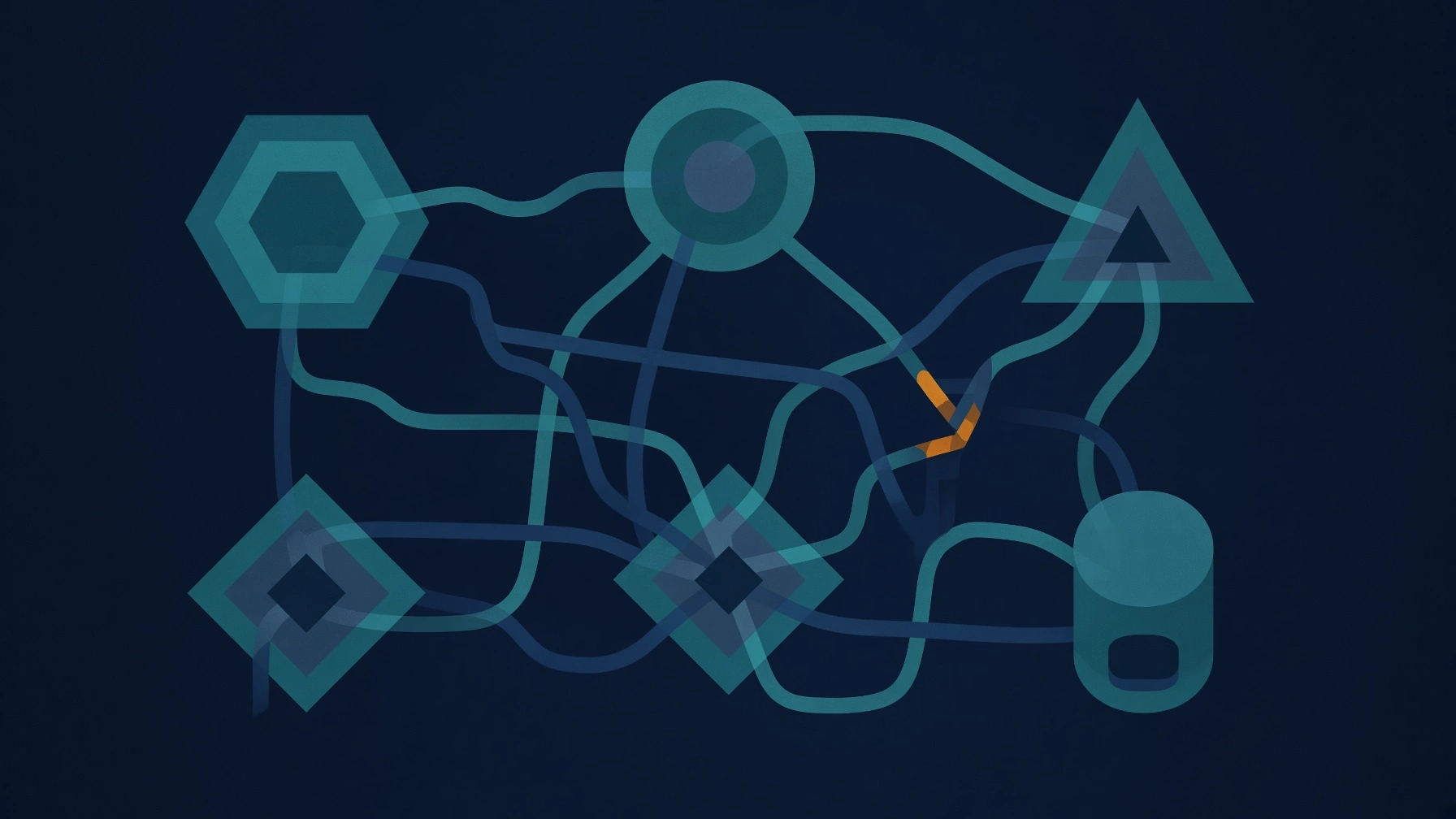
- You are duct-taping multiple tools together. When your team's daily work involves manually moving data between three or four systems, you are paying for that inefficiency every single day - in labor, in errors, and in the mental overhead of managing the duct tape. A single custom system that connects those functions can pay for itself faster than you expect.
- You have hit the ceiling of what a platform allows. SaaS tools are designed to be configurable, not infinitely flexible. When you have exhausted every setting, every workaround, every API integration the platform offers - and you are still compromising - you have found the ceiling.
- Data ownership is a strategic concern. When your business intelligence, your customer data, and your operational records live inside a vendor's platform, you do not own them in any meaningful sense. You have access. Access can be revoked, repriced, or restructured overnight. For businesses where data is a core asset, that dependency is a real risk.
- You are building a product, not just running operations. If software is what you are selling - or a core piece of your customer experience - off-the-shelf tools will almost always fall short of what your customers need.
When the Answer Is "Not Yet"
There is a version of the custom software conversation that ends with "not yet" - and that is an honest, responsible answer.
If your business processes are still evolving, building custom software to lock them in prematurely can actually slow you down. Custom software is built around specific logic; if that logic is going to change significantly in the next year, you will be rebuilding. The general rule: get your processes stable and repeatable first, then consider automating and systematizing them in code.
Similarly, if your business is pre-revenue or very early stage, the capital required for a meaningful custom build is almost always better deployed elsewhere. There is a reason experienced founders often tell early-stage companies to do things that don't scale - manual processes reveal what you actually need before you spend money building the wrong thing.
The businesses that get the most out of custom software are typically ones that know what they do, do it repeatedly, and have hit a clear constraint on growth, efficiency, or capability.
What the Process Actually Looks Like
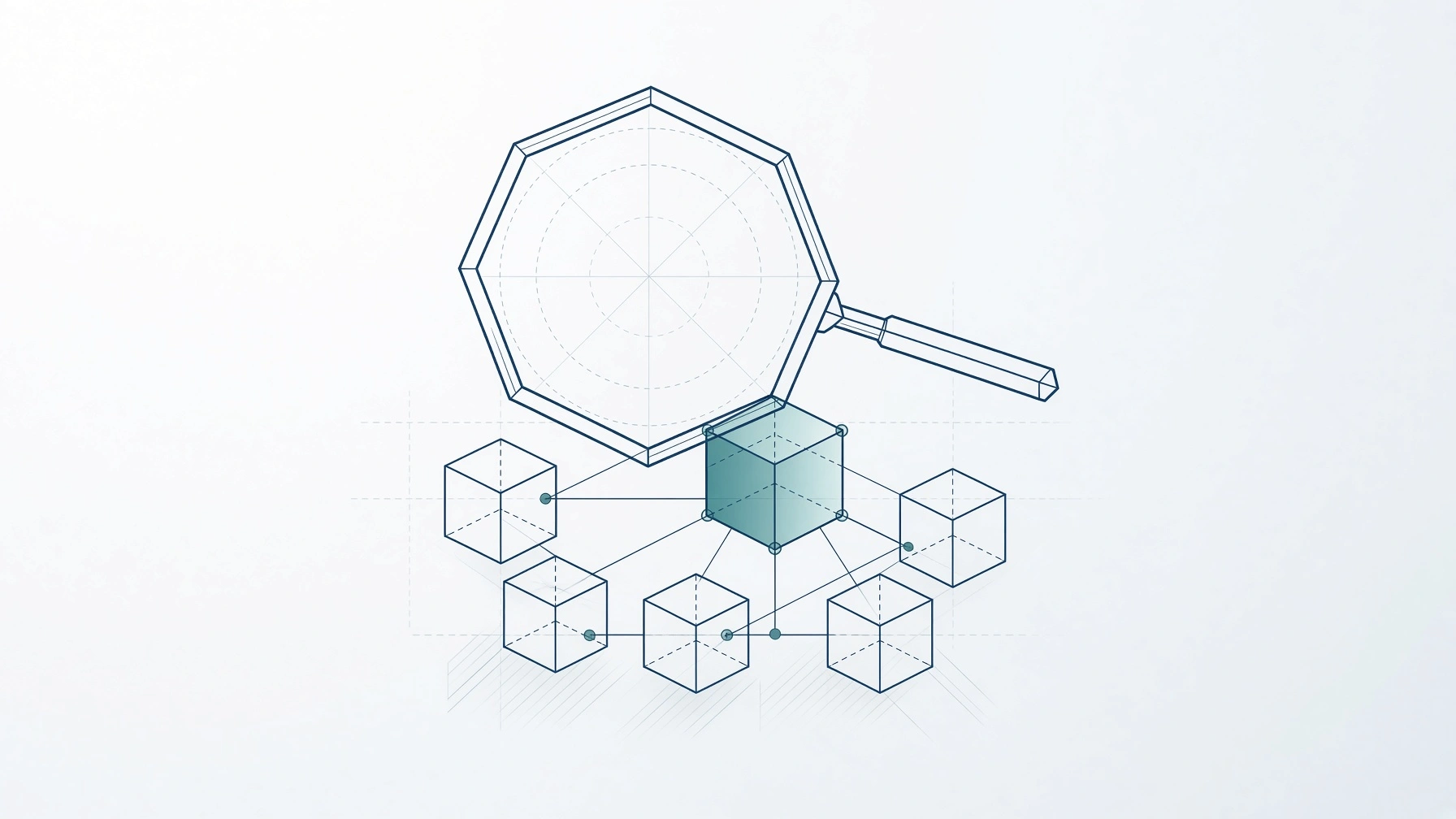
Here is where most software content fails the reader. It describes what custom software is without describing what it feels like to commission one - and so business owners walk into engagements without knowing what to expect.
A responsible development engagement has five phases. The names vary by firm, but the substance does not.
1. Discovery
This is the phase that separates partners from vendors.
Before a single line of code is written, a good development team will spend serious time understanding your business. Not just your software requirements - your business. How do decisions get made? Where do errors happen? What workarounds have your people invented because the current tools fall short? What does success look like in twelve months?
Discovery produces a clear picture of the problem being solved, a prioritized scope of what needs to be built, and a realistic estimate of cost and timeline. If a development firm skips this step and jumps straight to an estimate, that is a red flag. They are estimating something they do not understand yet.
At Tizbi, discovery is not a formality - it is where we often save clients from building the wrong thing. We have had discovery conversations that ended with "you do not need custom software right now; here is what we recommend instead." That is not a failure. That is what a partner does.
2. Design and Architecture
Once the scope is clear, the technical team designs the system - not just how it will look, but how it will be structured. Where does data live? How does it move? What integrations are needed? What happens when the system scales?
Good architecture decisions made at this stage prevent expensive rework later. Bad ones - made in a hurry to start showing "progress" - have derailed more projects than scope creep ever has.
3. Development
This is when the building happens, typically in structured cycles called sprints (usually two-week increments in modern development practice). At the end of each sprint, working software is demonstrated - not a presentation, not a mockup, but actual functionality you can touch.
Transparency during this phase is non-negotiable. You should know, at any point, exactly what has been built, what is being built, how much has been spent, and how much remains. If you cannot get a clear answer to any of those four questions, something is wrong.
4. Testing
Good software teams test constantly - during development, not just at the end. The goal is to find problems while they are cheap to fix, not after the system is live and your team is depending on it.
Testing includes functional testing (does it do what it should?), edge case testing (what happens when someone does something unexpected?), performance testing (does it hold up under load?), and security testing (where are the vulnerabilities?). Each of these matters. Each of them takes time. Anyone promising a fast build that skips testing is promising you a future crisis.
5. Deployment and Ongoing Support
Launching software is not the finish line - it is the starting gate. Real-world use always surfaces things that didn't show up in testing. Users find workflows the design didn't anticipate. Business needs evolve. Integrations change when third-party systems update their APIs.
A development partner worth working with plans for this from day one. The relationship does not end at launch.
What Does Custom Software Actually Cost?

Let's talk about the number everyone is thinking about and nobody wants to say out loud.
Custom software is not cheap. Anyone who tells you otherwise is either selling you something or has not shipped much software.
That said, "expensive" is relative. The honest cost range for a focused custom system built for a small business - a single internal tool, a customer-facing portal, a workflow automation layer - typically falls somewhere between $25,000 and $100,000, depending on complexity, integrations, and the team building it.
Enterprise-scale systems with complex integrations, multi-platform requirements, and large user bases run significantly higher. Simple, tightly scoped internal tools can come in at the lower end.
A few factors that drive cost up:
- Integrations with existing systems (every API connection adds complexity)
- Compliance requirements (HIPAA, SOC 2, financial regulations)
- Real-time features (live dashboards, instant notifications, multi-user collaboration)
- Mobile requirements (native iOS and Android are separate builds)
- Unclear scope at the start (changes mid-build are almost always more expensive than decisions made upfront)
A few factors that keep cost manageable:
- A well-run discovery phase that clarifies scope before development begins
- Phased delivery - building the core first, adding features over time
- A development partner who flags scope creep before it compounds
- Clear communication about priorities so the team builds what matters most first
The firms that give you suspiciously low estimates are usually planning to make it up in change orders, or they are cutting corners on architecture and testing that will cost you later. The firms that quote six figures for a 10-screen internal tool are not calibrated for SMB budgets.
The right number is the honest number - scoped carefully after someone has actually understood your business.
What to Watch Out For
After more than two decades of building software and rescuing projects that went sideways, certain patterns come up again and again.
- Scope that grows without a conversation. Good teams flag scope changes and discuss them with you. Features that "seem small" have a way of adding weeks to a build. You should never be surprised by a budget overage - you should have seen it coming, because your partner told you it was coming.
- No discovery, straight to estimate. This is almost always a sign of a firm that sells first and figures out what they're building later. The estimate is usually wrong.
- Promises about timeline that don't account for your involvement. Custom software requires your input - decisions, feedback, access to subject matter experts on your team. Timelines that assume none of that input are not realistic.
- Offshore teams with no accountability layer. Global development teams can be excellent - Tizbi runs development centers across three continents. But the model only works when there is a real accountability structure: clear processes, strong project management, and a partner on the client-facing side who owns the outcome. "We have a team in [country]" is not a guarantee of quality or reliability.
- Ownership ambiguity. Who owns the code when the project is done? If you do not have a clear answer to that question before you sign a contract, get one. You should own what you paid to build.
What Industries Use Custom Software?
The honest answer: every industry, eventually - but some hit the ceiling faster than others.
Construction and engineering firms running complex BIM workflows often find that commercial tools impose limitations that affect project accuracy and team coordination.
Healthcare and life sciences organizations face compliance requirements (HIPAA, FDA, state-level regulations) that commercial tools handle imperfectly or not at all - and the cost of an imperfect solution is not just inefficiency, it is liability.
Logistics and supply chain businesses often have routing, inventory, and integration logic so specific to their carrier relationships and customer contracts that off-the-shelf tools require so many workarounds they become liability rather than asset.
Professional services firms - law, accounting, consulting - frequently build custom client portals, matter management systems, and billing integrations that their commercial software cannot support.
Manufacturing and operations businesses tend to have floor-level workflows that standard ERP systems don't accommodate without expensive custom modules that cost as much as a bespoke build anyway.
The common thread is not the industry. It is the moment when the business has outgrown what the commercial market built for the average version of that business.
Not Sure If You Need a Custom Build or Just Better Systems?
Custom software is not always the answer. Sometimes the answer is better configuration of what you already have, a smarter integration between your existing tools, or a clearer process before any technology enters the picture.
If you are not sure which category you are in, that is a legitimate place to be - and it is worth a conversation with someone who will give you a straight answer rather than a proposal. Scheduling a consultation is often where that conversation starts: understanding what you have, what you actually need, and what path makes sense before committing to anything.
The research on this is worth noting: businesses that approach digital decisions strategically - clarifying the problem before selecting the solution - consistently outperform those that lead with technology purchases. You can read more about the business outcomes side of this in how B2B companies grow revenue with digital solutions.
The Question Underneath the Question
When business owners ask "what is custom software development," they are usually asking a different question underneath it: Is this right for us? Can we afford it? Will it actually work? Can I trust the people I'd be handing this to?
Those are good questions. They deserve honest answers, not a sales pitch.
The honest answers: Custom software is right for some businesses and not others. The cost is real and should not be minimized. Done well, with a team that understands your business and tells you the truth throughout the build, it works. Finding people you can trust takes some diligence - but they exist, and the difference between a partner and a vendor becomes obvious the first time something gets hard.
Ready to Think It Through?
If you have read this far, you probably have a specific problem in mind. Maybe you know roughly what you need and are trying to figure out whether custom is the right path. Maybe you are not sure yet.
Either place is a fine place to start a conversation.
At Tizbi, the first conversation is not a demo, not a pitch, and not a proposal. It is a real discussion about your business - what you are dealing with, what you have already tried, and whether we are the right fit to help. We will tell you honestly if we think you are not ready for a custom build, or if a different approach makes more sense.
Twenty-eight years of building software for companies like yours has made us comfortable saying both "we can help" and "not yet" - and you will always know which one we mean.
Custom Software Development: SMB Owner FAQs
What exactly is custom software development?
Custom software is software built specifically for your business - your workflows, your team, your customers - rather than a product you subscribe to off a shelf. Think of it this way: off-the-shelf software is a suit from the rack. Custom software is a suit made to your measurements. The rack suit might fit fine. But if your business has unusual proportions - processes that don't quite match what any SaaS product was designed for - the rack suit never stops pulling at the seams.
How is it different from just buying software?
When you buy off-the-shelf software, you are buying someone else's idea of how a business like yours should operate. That can work well when the fit is close. It becomes a problem when you spend two years bending your processes to match a tool's limitations, adding workarounds, and paying for features you never use while missing the one thing you actually need. Custom software is built around how you actually work - not how a product manager in San Francisco assumed you might.
What does "bespoke software" mean — is that the same thing?
Yes. "Bespoke" is a term used more commonly in the UK and European markets; "custom software development" is the more standard term in the US. They describe the same thing: software designed and built from the ground up for a specific client's needs. If you see either term, you can treat them as interchangeable.
How much does custom software cost for a small business?
Honest answer: it depends on scope - but not infinitely. A focused internal tool (a workflow manager, a custom reporting dashboard, a client portal) typically lands somewhere between $15,000 and $60,000. More complex systems - ones integrating multiple data sources, handling transactions, or replacing several disconnected tools at once - can run higher. What matters is that you scope correctly before you build. A well-run discovery process will give you a real number before you commit to a full build, which is how it should work.
What you should avoid is any firm who gives you a fixed price before they understand your business. That number is either a guess or a trap.
Why does custom software cost more than a SaaS subscription?
Because you are paying to own something, not rent it. A SaaS subscription gives you access. Custom software gives you ownership - of the code, the data, the logic, all of it. Over a three-to-five-year horizon, the economics often flip: the subscription fees compound and the custom system holds its value. More importantly, you are not building on someone else's platform - which means no surprise pricing changes, no feature deprecations, no "we're sunsetting this product" emails.
How long does custom software take to build?
A focused, well-scoped system built by an experienced team: roughly 6 to 16 weeks from kickoff to initial deployment. Larger or more complex projects take longer. The variable that blows timelines more than any technical factor is unclear requirements - when what needs to be built keeps shifting mid-project, the schedule shifts with it. This is why the work done before the first line of code matters as much as the code itself.
Can I start small and expand later?
Yes - and frankly, this is usually the smarter approach. Build the core of what you need, get it into use, learn from real usage, then extend it. Trying to build everything at once is how projects balloon in scope, blow past budget, and take so long that the business need has changed by the time you launch. Phased builds keep risk low and learning high.
What does the development process actually look like?
At minimum, a responsible process includes four phases: discovery (understanding your business and defining the scope), design (architecture and user experience), development (the actual building, with regular check-ins and visibility into progress), and testing (not once - repeatedly, before and after launch). Any shop that skips discovery and goes straight to code is either rushing or guessing. Neither is good for you.
How involved do I need to be during the build?
More than you might expect - and that is not a complaint, it is a feature. The people who get the best outcomes from custom software are the ones who stay engaged: reviewing prototypes, giving feedback on early builds, flagging when something doesn't match how their team actually works. You are the expert on your business. The development team is the expert on the technology. The collaboration between those two things is where good software comes from.
How do I know the project is on track financially?
You should never be surprised by a bill. Tight budget tracking - visible to you at every stage - should be baked into how your partner manages the engagement. If you cannot see where the hours are going and what work is being done, that is a problem worth raising before it becomes a bigger one.
When should I NOT build custom software?
When a well-established off-the-shelf tool does 90% of what you need and you can adapt your process to match the remaining 10%. When your budget is genuinely not sufficient for the scope required - because an underfunded custom build is worse than no build at all. When you have not done the work to define what you actually need - "we'll figure it out as we go" is not a development strategy.
A good technology partner will tell you this. If everyone you talk to is eager to start building immediately, be cautious.
What are the signs I actually do need custom software?
You are running critical business processes through spreadsheets that break when more than two people touch them. You have stitched together five or six SaaS tools that do not talk to each other, and your team is manually moving data between them. You have a workflow that is genuinely unique to your business - a competitive advantage - and off-the-shelf tools flatten it into something generic. You are paying for platforms you have outgrown but cannot leave because your data is trapped in them.
Any one of those is worth a conversation. All of them together is a strong signal.
What happens to my software after it's built?
You own it. The code, the data, the infrastructure configuration - all of it is yours. You are not dependent on your development partner to keep the lights on, though many businesses choose to maintain a support relationship for ongoing improvements and updates. The distinction matters: you should have the ability to walk away with what was built, or bring in another team if circumstances change. Ownership is not just a legal nicety. It is the difference between a tool that serves your business and one that holds it hostage.
What makes Tizbi different from other development firms?
We have been doing this since 1998 - not as a marketing agency, not as a staffing shop, but as practitioners who have built and shipped custom software across more than 400 projects. We will tell you when a custom build is the right answer and when it is not. We will not start writing code before we understand your business. And we treat every engagement as the beginning of a long-term relationship, not a one-time transaction.
If you are ready to talk through your situation - no commitment, no pressure - start a conversation with us. We will tell you honestly what we think, including if we are not the right fit.